Description
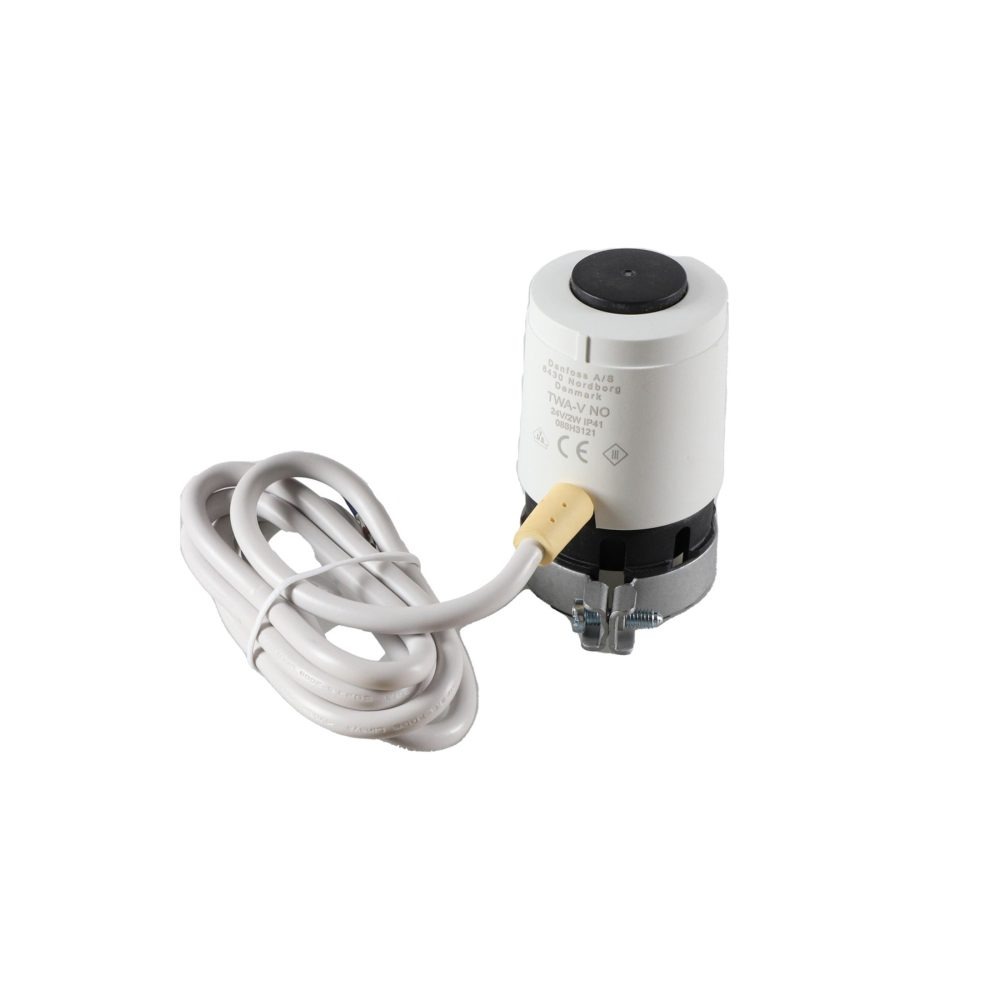
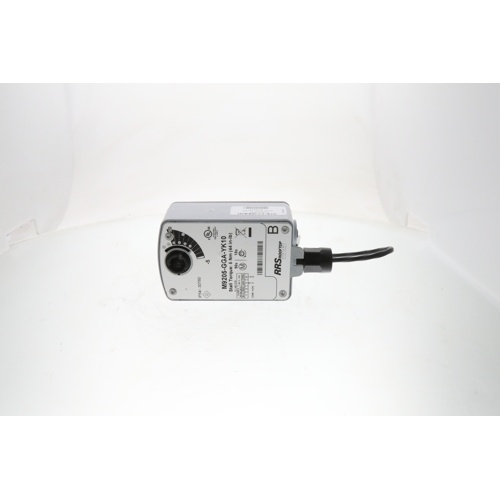
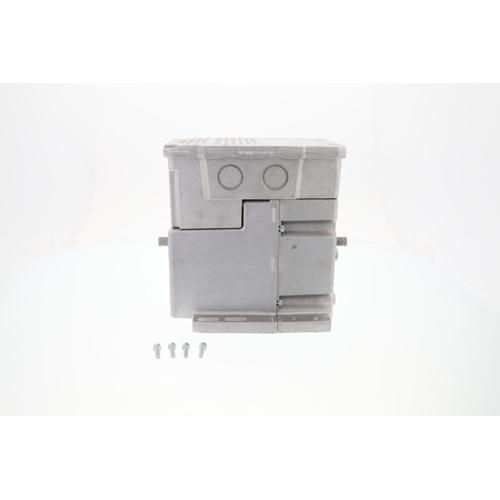
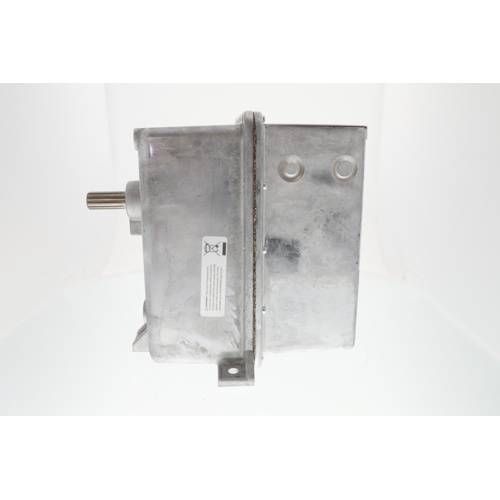
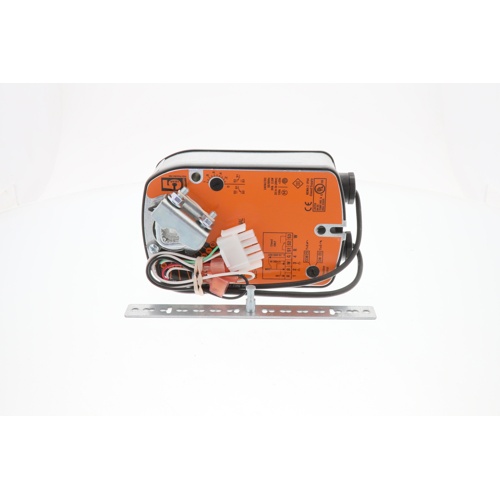
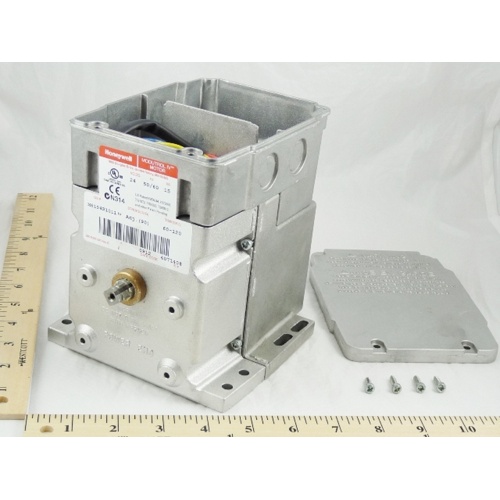
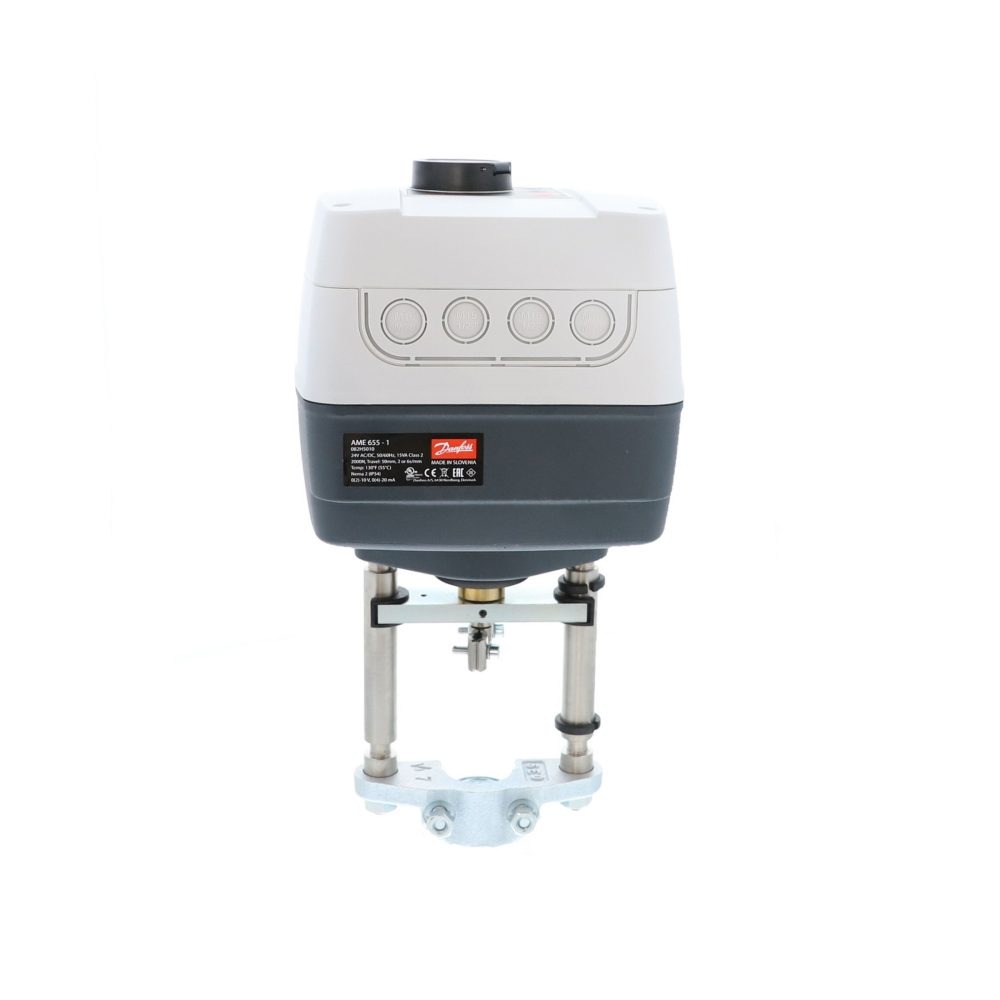
The Danfoss 082H5010 is a 24V, 0–10 VDC Non-Spring Return (NSR) modulating actuator purpose-built for use with Danfoss AB-QM pressure-independent balancing and control valves. Designed for hydronic heating and cooling applications, this actuator delivers precise, proportional flow control in commercial and industrial HVAC systems, helping maintain optimal comfort and energy efficiency across variable flow networks.
Key Features
- 24V AC/DC supply voltage for broad compatibility with standard building automation and control systems
- 0–10 VDC modulating control signal for smooth, stepless proportional flow regulation
- Non-Spring Return (NSR) design — actuator holds last position on power loss, suitable for fail-in-place applications
- Engineered specifically for Danfoss AB-QM pressure-independent combination valves
- Compact, low-profile housing for easy installation in tight mechanical spaces
- Reliable gear-driven mechanism for consistent, repeatable valve positioning
- Manual override function allows valve positioning during commissioning or power outages
- Visual position indicator for quick field verification of valve status
Application
The 082H5010 actuator is ideal for variable air volume (VAV) hydronic systems, fan coil units, air handling units, and terminal unit applications where pressure-independent flow control is required. When paired with Danfoss AB-QM valves, the actuator enables precise zone-by-zone flow management, reducing energy consumption and eliminating the need for manual balancing.
Specifications
- SKU: 082H5010
- Brand: Danfoss
- Supply Voltage: 24V AC/DC
- Control Signal: 0–10 VDC (modulating)
- Actuator Type: Non-Spring Return (NSR)
- Compatible Valve Series: AB-QM (Danfoss pressure-independent valves)
Why Choose Danfoss?
Danfoss is a globally recognized leader in energy-efficient HVAC and hydronic control solutions. Their AB-QM valve and actuator system is trusted by mechanical engineers and contractors worldwide for delivering accurate flow control, simplified commissioning, and long-term system reliability.