
Description
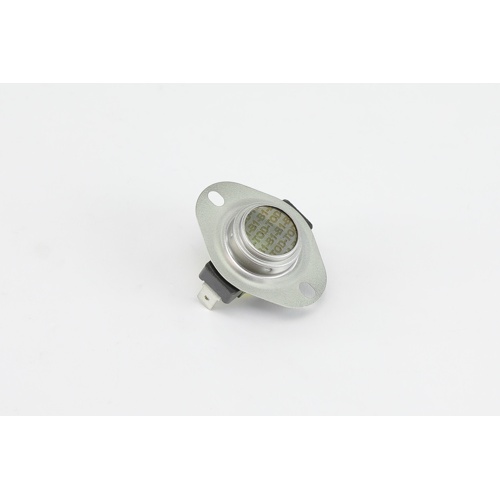
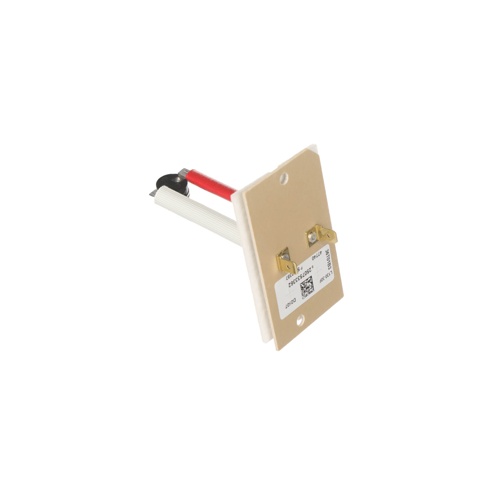
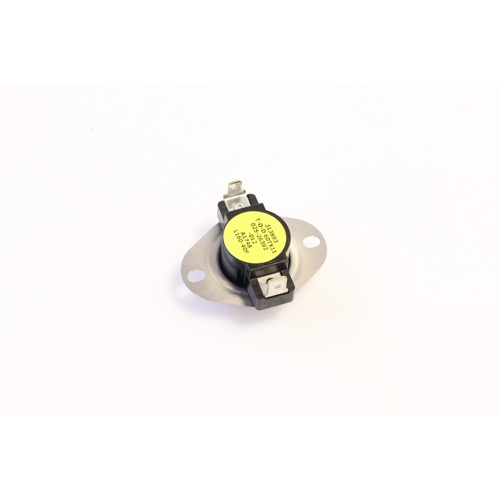
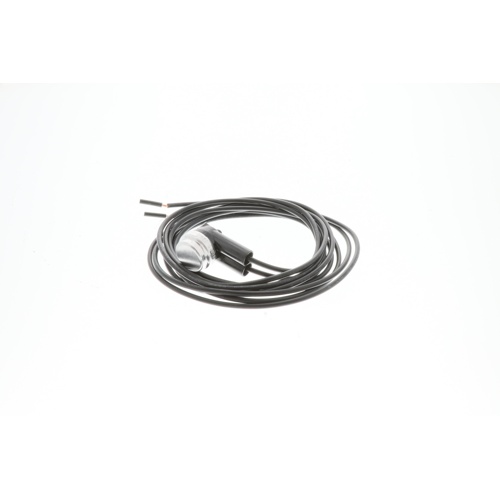
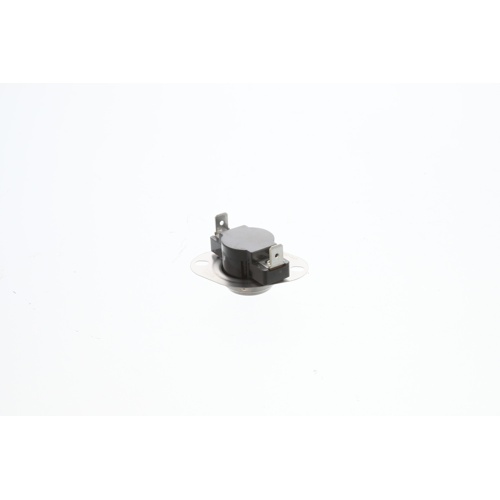
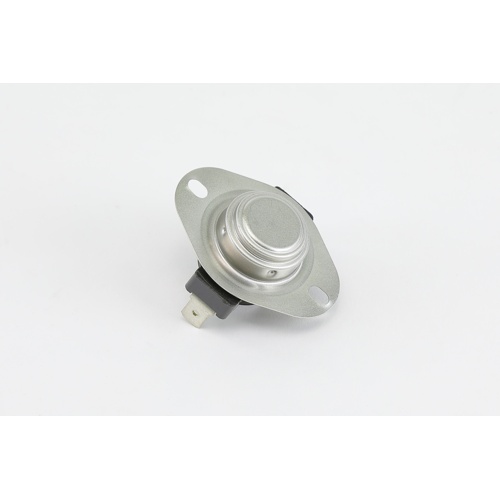
The International Comfort Products 1171901 is an OEM replacement L150-55 AUTO limit switch engineered to protect furnaces and heating systems from dangerous overheating conditions. Designed as a direct factory replacement for compatible ICP, Heil, Tempstar, and related brand equipment, this automatic-reset limit switch monitors heat exchanger temperatures and interrupts the burner circuit when temperatures exceed the rated setpoint — then automatically resets once safe operating temperatures are restored.
How It Works
The limit switch continuously monitors the temperature within the furnace heat exchanger plenum. When temperatures rise beyond the rated open setpoint, the switch opens the control circuit, shutting down the burner to prevent equipment damage or fire hazard. The AUTO (automatic) reset design means the switch will re-close and restore normal operation once temperatures drop back to the rated close setpoint — no manual intervention required.
Key Features
- OEM replacement part for International Comfort Products (ICP) equipment
- L150-55 designation: opens at 150°F, 55°F differential (closes at approximately 95°F)
- Automatic (AUTO) reset — restores operation without manual reset
- Protects heat exchanger and furnace components from overtemperature damage
- Direct drop-in replacement for compatible ICP, Heil, Tempstar, and Arcoaire systems
- Reliable bimetal or disc-type sensing element for consistent performance
Product Specifications
- SKU / Part Number: 1171901
- Model: L150-55 AUTO
- Open Temperature: 150°F
- Differential: 55°F
- Close Temperature: Approximately 95°F
- Reset Type: Automatic (AUTO)
- Brand: International Comfort Products (ICP)
Application
This limit switch is intended for use in residential and light commercial gas furnaces manufactured by International Comfort Products and its affiliated brands. Always verify compatibility with your specific furnace model number before installation. Installation should be performed by a qualified HVAC technician in accordance with local codes and the equipment manufacturer’s guidelines.